Puraiva / Blog / Skin Health
Collagen vs. Sea Moss for Skin Health: Which Is Better?
Both are trending for glowing skin, but they work through completely different mechanisms. Here's how to choose — or use both.
By Dr. Sarah Mitchell · · 5 min read
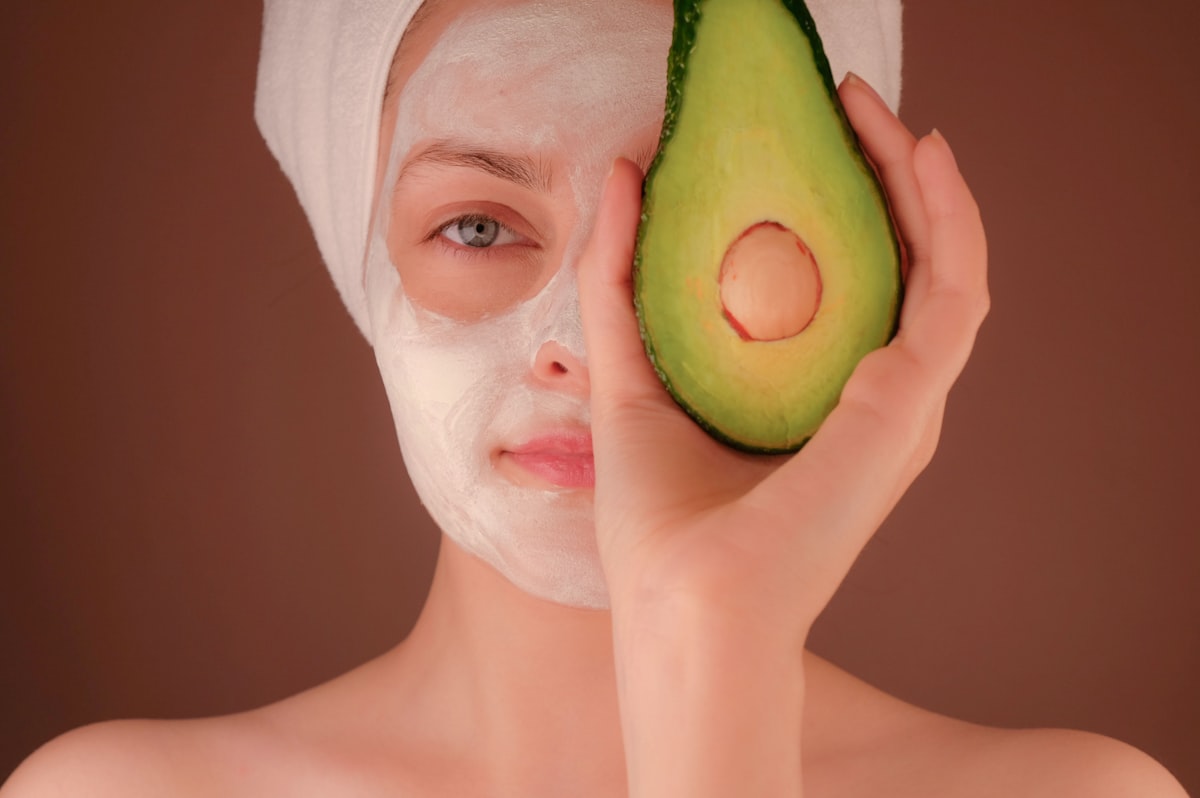
The beauty supplement market is booming, with collagen and sea moss leading the charge. But these two supplements work through entirely different mechanisms — and understanding the difference helps you make the right choice for your skin goals.
Collagen: The Structural Approach
Collagen peptides provide the raw amino acids (glycine, proline, hydroxyproline) your body uses to build collagen fibers in the dermis. Studies show that supplementing with collagen peptides can improve skin hydration by 28% and reduce wrinkle depth by 13% after 8 weeks.
Limitations of Collagen
Collagen only addresses the structural protein component of skin health. It doesn't provide the minerals, vitamins, and antioxidants needed for collagen synthesis — or protect against the oxidative damage that breaks collagen down.
Sea Moss: The Nutritional Foundation
Sea moss provides 92 minerals including zinc, sulfur, and selenium — all critical for skin cell turnover, collagen synthesis, and protection against UV damage. Its high sulfur content supports keratin production for healthy hair and nails too.
The Mucilaginous Advantage
Sea moss contains natural mucilage — a gel-like substance that hydrates from the inside out. This is why sea moss has been used topically in skincare for centuries.
The Verdict: They're Complementary
Collagen provides the building blocks. Sea moss provides the cofactors and minerals needed to actually assemble those building blocks into healthy skin. For optimal results, use both — along with krill oil for its astaxanthin (a powerful skin-protective antioxidant).
Deeper Mechanisms: Beyond the Surface
While the initial overview highlights the distinct roles of collagen and sea moss, a closer look reveals intricate molecular pathways contributing to their skin health benefits. Understanding these mechanisms reinforces why a combined approach is often superior.
Collagen Synthesis and Remodeling
The magic of collagen peptides extends beyond simply supplying amino acids. Orally administered collagen peptides, particularly di- and tripeptides like Pro-Hyp (proline-hydroxyproline) and Hyp-Gly (hydroxyproline-glycine), are absorbed intact into the bloodstream (Journal of Agricultural and Food Chemistry, 2005). These specific peptides are not merely building blocks; they act as signaling molecules. They bind to receptors on fibroblasts, the primary collagen-producing cells in the dermis, stimulating them to synthesize new collagen, elastin, and hyaluronic acid (Journal of Cosmetic Dermatology, 2015). This process, known as neocollagenesis and neoelastinogenesis, effectively kickstarts the skin's natural repair and regeneration processes. Furthermore, collagen peptides can inhibit matrix metalloproteinases (MMPs), enzymes responsible for degrading existing collagen and elastin fibers, thereby slowing down the natural aging process (The Journal of Clinical and Aesthetic Dermatology, 2019).
Sea Moss: A Symphony of Micronutrients and Bioactives
Sea moss, particularly Chondrus crispus and Eucheuma cottonii, is a powerhouse of over 92 trace minerals, vitamins, and unique polysaccharides. Its high iodine content, crucial for thyroid function, indirectly supports skin health by optimizing metabolic rate and cell turnover. Zinc and selenium, abundant in sea moss, are vital cofactors for numerous antioxidant enzymes (e.g., superoxide dismutase, glutathione peroxidase) that neutralize free radicals, mitigating oxidative stress a major culprit in premature skin aging (Antioxidants, 2014). Sulfur, another key mineral, is essential for disulfide bond formation in collagen and keratin, contributing to skin elasticity and hair strength. Beyond minerals, sea moss contains unique sulfated polysaccharides, such as carrageenans. These compounds exhibit immunomodulatory, anti-inflammatory, and prebiotic properties (Marine Drugs, 2020). By modulating the gut microbiome, sea moss can indirectly influence skin health through the gut-skin axis, reducing systemic inflammation that often manifests as skin issues like acne or rosacea.
Optimal Dosing and Administration Nuances
Achieving the desired skin health benefits from collagen and sea moss relies not just on their presence in your regimen, but on appropriate dosing and consistent administration.
Collagen Peptide Dosing
For skin benefits, research typically points to a daily dose of 2.5 to 10 grams of hydrolyzed collagen peptides (Type I and III). Studies demonstrating improvements in skin hydration, elasticity, and wrinkle reduction often use doses in this range (Journal of Medical Nutrition and Nutraceuticals, 2015; Skin Pharmacology and Physiology, 2014). Lower doses (2.5g) are effective for foundational support and reducing signs of aging, while higher doses (5-10g) may accelerate visible improvements, particularly in elasticity and hydration. Consistency is paramount; results are typically observed after 8-12 weeks of daily supplementation. Collagen is best absorbed when consumed on an empty stomach, either first thing in the morning or before bed, to minimize interaction with digestive enzymes breaking down other proteins. Our Puraiva collagen peptides are designed for high bioavailability, making absorption efficient at these recommended dosages.
Sea Moss Dosing
The appropriate dose of sea moss can vary depending on its form (raw, gel, powder, capsule) and geographical origin, which influences mineral content. For capsules or powders, a typical daily dose ranges from 1 to 4 grams. Given its high iodine content, it's crucial not to exceed recommended doses, especially for individuals with pre-existing thyroid conditions. Excessive iodine intake can lead to thyroid dysfunction (hyperthyroidism or hypothyroidism). If using raw sea moss or gel, start with a small amount, such as 1-2 tablespoons of gel per day, and observe your body's response. It’s always advisable to consult a healthcare professional, especially if you have an autoimmune condition or are pregnant/nursing, to determine a safe and effective dose tailored to your individual needs. The Puraiva Organic Sea Moss, Bladderwrack, and Burdock Root blend provides a thoughtfully balanced profile, but individual iodine sensitivity should always be considered.
Who Should and Shouldn't Use It?
While generally safe, tailoring your supplement regimen to your individual health profile is crucial to maximize benefits and avoid potential risks.
Who Benefits Most?
- Individuals Age 25+ Approaching Skin Aging: Collagen synthesis naturally declines from the mid-20s. Proactive supplementation can mitigate early signs of aging like fine lines and reduced elasticity.
- Those with Dry or Dehydrated Skin: Both collagen and the mucilage in sea moss actively support internal hydration, improving skin barrier function and moisture retention.
- People Seeking Holistic Skin Improvement: Beyond aesthetics, sea moss's broad nutrient profile supports overall cellular health, including immune function, which in turn influences skin vitality.
- Vegans/Vegetarians (Sea Moss): Sea moss is an excellent plant-based source of numerous minerals often lacking in vegetarian diets, though collagen is animal-derived.
- Those with Brittle Hair and Nails: The sulfur, zinc, and collagen-building amino acids in both supplements can significantly improve the strength and growth of hair and nails.
Who Should Exercise Caution or Avoid?
- Individuals with Shellfish Allergies (Sea Moss): While sea moss itself is an algae, it's often harvested in proximity to shellfish and may pose a cross-contamination risk for highly sensitive individuals.
- Those with Hyperthyroidism or Autoimmune Thyroid Conditions: The high iodine content in sea moss can exacerbate hyperthyroidism or trigger flares in conditions like Hashimoto's thyroiditis. Medical consultation is essential.
- People on Blood Thinners (Sea Moss/Bladderwrack): Some constituents in sea vegetables, particularly fucoxanthin in bladderwrack (often paired with sea moss), can have anticoagulant properties. Discuss with your doctor.
- Individuals with Kidney Disorders: The high mineral content of sea moss might be a concern for those with compromised kidney function who need to monitor mineral intake carefully.
- Pregnant or Breastfeeding Women: While generally considered safe in food amounts, high-dose supplementation with sea moss and collagen is best discussed with a physician to ensure safety for both mother and baby.
- Known Allergies to Specific Fish/Bovine (Collagen): Most collagen comes from bovine or marine sources. If you have a specific allergy, ensure the source is free from allergens.
Common Mistakes to Avoid
When incorporating skin health supplements, awareness of common pitfalls ensures you get the most out of your investment and effort.
- Inconsistency: Both collagen and sea moss require consistent daily intake over several weeks or months to show noticeable results. Skipping days or weeks will significantly prolong the time to see benefits. Think of it as a daily nutritional habit, not a quick fix.
- Unrealistic Expectations: While effective, supplements are not miracle cures. They support and enhance natural bodily processes. They won't reverse decades of sun damage overnight or eliminate deep-set wrinkles. Manage expectations and focus on progressive improvement.
- Ignoring Product Quality: Not all supplements are created equal. Low-quality collagen may have poor bioavailability, and improperly sourced sea moss can be contaminated with heavy metals or pollutants. Always choose reputable brands like Puraiva Nutrition that provide third-party testing and transparency about sourcing. This is especially crucial for sea moss, given the variability in ocean purity.
- Overdosing on Sea Moss (Iodine): As discussed, excessive iodine from sea moss can negatively impact thyroid function. Stick to recommended dosages and be mindful of other dietary iodine sources. More is not always better.
- Neglecting Foundational Lifestyle Factors: Supplements work best when complemented by a healthy lifestyle. This includes adequate hydration, a balanced diet rich in whole foods, consistent sleep, stress management, and diligent sun protection. Without these, supplements alone will have limited impact.
- Isolated Supplementation: Assuming one supplement can do it all. Skin health is multifaceted. Combining collagen and sea moss, as advocated, addresses different aspects synergistically. Further incorporating antioxidants like astaxanthin (from krill oil) or Vitamin C (crucial for collagen synthesis itself) creates a more robust approach.
Stacking for Synergistic Skin Health
Optimizing your skin health regimen often involves strategic stacking of supplements that complement collagen and sea moss, enhancing their individual benefits and addressing additional factors.
Vitamin C: The Collagen Cofactor
This is perhaps the most critical nutrient to pair with collagen. Vitamin C is an essential cofactor for the hydroxylase enzymes that convert proline and lysine into hydroxyproline and hydroxylysine, amino acids unique to collagen that provide its structural integrity. Without sufficient Vitamin C, the body cannot form stable collagen helices (Current Medical Research and Opinion, 2007). Taking 500-1000mg of Vitamin C daily alongside your collagen enhances its efficacy significantly.
Hyaluronic Acid: The Hydration Multiplier
Often referred to as nature's moisturizer, hyaluronic acid (HA) can hold up to 1,000 times its weight in water, playing a crucial role in skin hydration and plumpness. While collagen stimulates HA production and sea moss improves overall hydration, directly supplementing with HA (100-200mg daily) can amplify these effects, providing an extra layer of internal hydration support to complement the structural benefits of collagen and the mineral support of sea moss (Journal of Clinical and Aesthetic Dermatology, 2011).
Omega-3 Fatty Acids: Inflammation and Barrier Support
Omega-3s, particularly EPA and DHA found in fish oil or Puraiva Krill Oil, are potent anti-inflammatory agents. Chronic inflammation is a major driver of collagen degradation and can exacerbate skin conditions. Omega-3s also contribute to the integrity of the skin's lipid barrier, making it more resilient to environmental stressors and reducing trans-epidermal water loss (Journal of the American Academy of Dermatology, 2011). A daily dose of 1-3 grams of combined EPA/DHA works synergistically with collagen and sea moss to protect and nourish the skin from within.
Antioxidants (Astaxanthin, Vitamin E): Oxidative Stress Defense
Oxidative stress, caused by free radicals from UV radiation, pollution, and poor diet, directly damages collagen and elastin fibers. Including powerful antioxidants like astaxanthin (found in krill oil) or Vitamin E provides an additional layer of protection. Astaxanthin, in particular, is an exceptionally potent antioxidant that can directly benefit skin by improving elasticity and reducing age spots (Carotenoid Science, 2007).
Adaptogens for Stress Management (Ashwagandha): The Gut-Skin Connection
Chronic stress significantly impacts skin health through hormone dysregulation and inflammation. Cortisol, the stress hormone, can break down collagen. Adaptogens like Ashwagandha, found in Puraiva AshwaVital, help the body manage stress more effectively, indirectly supporting skin integrity. Furthermore, many adaptogens exert prebiotic effects, supporting a healthy gut microbiome, which is intrinsically linked to skin health via the gut-skin axis (Journal of Clinical and Aesthetic Dermatology, 2018).
Real-World Routine: Integrating for Optimal Results
A typical "day in the life" incorporating collagen and sea moss, alongside other synergistic supplements, can look like this:
-
Morning (on an empty stomach):
- 1 scoop (approx. 5-10g) Puraiva Collagen Peptides mixed into water or coffee (allow 15-20 minutes before food).
- 1-2 Puraiva Sea Moss Capsules (or 1-2 tbsp sea moss gel in a smoothie), ensuring you stay within iodine guidelines.
- 500-1000mg Vitamin C.
-
With Breakfast/Lunch:
- 1-2 Puraiva Krill Oil softgels (for Omega-3s and Astaxanthin).
- 100mg Puraiva Hyaluronic Acid Capsule.
-
Evening (optional, to support sleep and recovery):
- Puraiva Lunox for comprehensive sleep support and cellular repair.
- If experiencing high stress, a dose of Puraiva AshwaVital with dinner.
Consistency is key. This routine provides a foundational approach to skin health that addresses structural support, hydration, mineral balance, inflammation, and oxidative stress — all working in concert for radiant, resilient skin.
Frequently Asked Questions (FAQ)
Q: How long until I see results from collagen and sea moss?
A: Most users report visible improvements in skin hydration and firmness from collagen within 8-12 weeks of consistent daily use. Sea moss benefits, particularly related to overall vitality and gut health, may be felt sooner, with skin changes becoming noticeable within 4-6 weeks as mineral balance improves.
Q: Can I combine other supplements with collagen and sea moss?
A: Absolutely. As detailed in the "Stacking" section, combining these with Vitamin C, Hyaluronic Acid, Omega-3s, and antioxidants can significantly enhance results. Always be mindful of potential interactions and consult a healthcare professional if you have underlying conditions or are taking medications.
Q: Is animal-based collagen better than plant-based for skin?
A: Currently, all true collagen supplements are animal-derived (bovine or marine). "Plant-based collagen" supplements typically contain a blend of amino acids and cofactors that *support* the body's natural collagen production, rather than providing collagen itself. For direct collagen replenishment, animal-derived hydrolyzed collagen peptides remain the gold standard.
Q: Can sea moss help with acne or other skin conditions?
A: While not a direct cure, sea moss's anti-inflammatory properties, broad mineral profile (especially zinc and sulfur), and gut-friendly polysaccharides can indirectly support skin health and may help manage inflammatory skin conditions like acne or eczema by reducing systemic inflammation and supporting healthy skin barrier function. Its prebiotic effects can also improve the gut-skin axis, which is often implicated in such conditions.
Q: Are there any side effects?
A: Both collagen and sea moss are generally well-tolerated. For collagen, mild digestive upset or a feeling of fullness can occur in sensitive individuals. For sea moss, the primary concern is excessive iodine intake, which can lead to thyroid dysfunction. Always adhere to recommended doses. Allergic reactions, though rare, are possible, especially for shellfish-sensitive individuals with sea moss.
The Evidence-Based Bottom Line
Puraiva Nutrition's approach to skin health emphasizes a comprehensive, evidence-based strategy. While collagen peptides provide the essential structural building blocks and signaling molecules to stimulate skin renewal, sea moss offers an unparalleled spectrum of minerals, vitamins, and bioactive polysaccharides that act as critical cofactors for collagen synthesis, powerful antioxidants, and internal hydrators. The scientific literature consistently supports the independent benefits of both (Nutrients, 2017; Cosmetics, 2020), but their synergistic potential when combined is profound. For optimal, resilient, and radiant skin, a dual approach that leverages the structural power of collagen with the foundational nutritional support of sea moss, complemented by a thoughtful stack of synergistic nutrients, represents the pinnacle of modern nutraceutical skincare. Prioritize high-quality, sustainably sourced ingredients, consistently adhere to recommended dosages, and integrate these supplements within a holistic healthy lifestyle for truly transformative results.
The statements made regarding these products have not been evaluated by the Food and Drug Administration. These products are not intended to diagnose, treat, cure, or prevent any disease.