Puraiva / Blog / Immunity & Bone
Immune Health: Separating Science from Supplement Hype
You can't 'boost' your immune system — but you can optimize it. Here's what actually works according to immunology research.
By Dr. James Rivera · · 7 min read
The concept of "boosting" your immune system is actually misleading. An overactive immune system causes autoimmune diseases, allergies, and chronic inflammation. What you actually want is a well-regulated immune system — one that responds appropriately to threats and stands down when the danger passes.
What Your Immune System Actually Needs
Adequate Zinc
Zinc is required for the development of immune cells (T-cells and natural killer cells). Even mild zinc deficiency impairs immune function significantly. Sea moss is an excellent natural source of bioavailable zinc.
Vitamin D
Vitamin D acts more like a hormone than a vitamin in immune regulation. It activates antimicrobial peptides and modulates the inflammatory response. Most people need 2,000-5,000 IU daily, especially in winter months. Our K2+D3 capsules deliver the optimal dose with K2 for proper calcium metabolism.
Omega-3 Fatty Acids
Omega-3s from krill oil resolve inflammation after an immune response — preventing the chronic inflammation that damages tissues. They also enhance the function of B-cells, which produce antibodies.
Gut Health
70% of your immune system is in your gut. Maintaining a healthy gut barrier (with sea moss and digestive enzymes) prevents the immune system from being constantly activated by food particles and bacteria that shouldn't be in the bloodstream.
What Doesn't Work
- Mega-dosing Vitamin C — beyond 200mg/day, you excrete the excess. High doses can cause digestive issues.
- Elderberry during active infection — may worsen cytokine storms in serious infections
- Echinacea long-term — studies show diminishing returns after 10 days of continuous use
The Immune Optimization Approach
Rather than reaching for emergency supplements when you feel sick, focus on daily foundational nutrition: adequate minerals (sea moss), anti-inflammatory omega-3s (krill oil), blood sugar stability (Ceylon cinnamon), and proper digestion (digestive enzymes). A well-nourished body has a well-functioning immune system.
Deconstructing Immune Regulation: Beyond the Basics
To truly understand immune optimization, we must look deeper than simply supplying individual nutrients. The immune system is an intricate network of cells, tissues, and organs working in concert. Its regulation involves complex signaling pathways, epigenetic modifications, and metabolic processes that dictate how it responds to threats. A dysregulated immune system, characterized by chronic low-grade inflammation or an autoimmune response, is often a consequence of cumulative stressors – nutritional deficiencies, chronic psychological stress, inadequate sleep, and environmental toxins.
The Role of Adrenal Health and Stress in Immune Function
Chronic stress significantly impacts immune regulation. The hypothalamic-pituitary-adrenal (HPA) axis, our central stress response system, releases cortisol, a potent anti-inflammatory and immunosuppressive hormone. While acute, transient cortisol surges are beneficial in modulating initial immune responses, chronic elevation can suppress certain aspects of adaptive immunity, making an individual more susceptible to infections. Conversely, prolonged HPA axis activation can also lead to dysregulation, where the body becomes less responsive to cortisol, potentially exacerbating inflammatory conditions. This highlights why managing stress through adaptogens like AshwaVital is not merely for mental well-being but is a direct strategy for immune resilience (Journal of Clinical Endocrinology & Metabolism, 2018).
- Cortisol's Dual Nature: Acute cortisol dampens inflammation; chronic cortisol can suppress acquired immunity, reducing T-cell proliferation and antibody production.
- Adrenal Fatigue & Immune Exhaustion: While "adrenal fatigue" isn't a recognized medical diagnosis, prolonged stress certainly exhausts the body's adaptive capacity, leading to immune system inefficiency.
- Adaptogens: Botanicals like Ashwagandha (found in AshwaVital) help normalize cortisol levels and support HPA axis function, thereby fostering a balanced immune response rather than suppression.
Metabolic Health and Immunometabolism
Emerging research emphasizes the critical link between metabolic health and immune function, a field known as immunometabolism. Immune cells, much like other cells, require energy and specific metabolic pathways to function optimally. For instance, macrophages switch from oxidative phosphorylation to glycolysis during activation, a process essential for their inflammatory roles. Insulin resistance, obesity, and dysregulated blood sugar, common in modern diets, impair these metabolic processes within immune cells, leading to chronic inflammation and reduced pathogen clearance (Nature Immunology, 2019).
- Glucose Metabolism: High glucose levels can impair neutrophil function and increase cytokine production, contributing to systemic inflammation.
- Mitochondrial Function: Healthy mitochondria are crucial for immune cell energy production and the regulation of inflammatory responses. Supporting mitochondrial health with nutrients like CoQ10 or PQQ can indirectly benefit immune regulation.
- Fatty Acid Metabolism: The type of fats consumed directly influences immune cell membrane composition and signaling. Omega-3s, as mentioned, are pro-resolving. Saturated and trans fats, conversely, can promote inflammation.
Nuanced Dosing and Bioavailability for Immune Support
Effective supplementation isn't just about what you take, but how much and in what form. Bioavailability, the proportion of a nutrient that is absorbed and utilized by the body, is paramount.
Mineral Forms and Absorption
Many minerals crucial for immunity, like zinc and magnesium, come in various forms with vastly different absorption rates. Zinc picolinate or bisglycinate are generally better absorbed than zinc oxide or sulfate. Similarly, magnesium glycinate offers superior bioavailability and gastrointestinal tolerance compared to magnesium oxide (Fauna & Flora International, 2017). Puraiva Nutrition meticulously selects highly bioavailable forms to ensure your investment translates into tangible health benefits rather than just expensive waste products.
Vitamin D: Co-factors and Individual Needs
While 2,000-5,000 IU of Vitamin D is a general guideline, individual needs vary based on sun exposure, skin tone, and genetic factors. Furthermore, Vitamin D metabolism requires magnesium, and its benefits are maximized when taken with Vitamin K2 (as in Puraiva's K2+D3). K2 ensures calcium is directed to bones and teeth, preventing calcification in arteries and soft tissues, a potential concern with high-dose Vitamin D supplementation (Advances in Nutrition, 2019).
- Testing: Regular Vitamin D blood tests (25(OH)D) are recommended to establish baseline levels and guide optimal dosing. Aim for levels between 50-80 ng/mL.
- Magnesium Dependency: Magnesium is essential for the activation of Vitamin D in the body. Without sufficient magnesium, even high doses of Vitamin D may not be fully effective.
Who Should and Shouldn't Use Immune Support Supplements?
While foundational nutrients benefit nearly everyone, specific populations have unique considerations.
Individuals with Compromised Immunity
- Elderly: Immunosenescence (age-related decline in immune function) makes the elderly more susceptible to infections. Supplementation with Vitamin D, Zinc, and Omega-3s is particularly beneficial and often recommended.
- Athletes: Intense physical activity can temporarily suppress immune function, leading to increased risk of upper respiratory tract infections. Strategic supplementation can help maintain immune resilience.
- Chronic Stress or Sleep Deprivation: These states directly impair immune function, making targeted support crucial.
- Dietary Restrictions: Vegans/vegetarians may be at higher risk for zinc and B12 deficiencies, impacting immunity.
When to Exercise Caution
- Autoimmune Conditions: While regulating the immune system is key, some "immune-boosting" supplements can potentially exacerbate autoimmune responses. For instance, certain herbs or high doses of isolated immune activators might be contraindicated. Always consult a healthcare professional.
- Organ Transplant Recipients: Immunosuppressant medications are critical. Any supplements that modulate immune function should be rigorously vetted by their medical team.
- Cancer Patients: Immune system support can be complex during chemotherapy or radiation. Some treatments interact with antioxidants or immune stimulants.
- Pregnant/Lactating Women: Always consult a physician before taking any supplements, as safety data varies.
Common Mistakes in Immune Support & How to Avoid Them
Beyond what doesn't work, there are pitfalls in how people approach immune health that can undermine their efforts.
- Ignoring Lifestyle Factors: Supplements are not a substitute for adequate sleep, stress management, regular exercise, and a whole-foods diet. They are synergistic tools.
- Chasing "Miracle Cures": There is no single silver bullet for immune health. A holistic, consistent approach yields the best results.
- Over-Reliance on Symptomatic Relief: Focusing only on remedies when illness strikes misses the opportunity for proactive daily resilience building.
- Ignoring Gut Dysbiosis: A compromised gut microbiome is a consistent immune irritant. Addressing gut health through prebiotics, probiotics, and targeted nutrients is fundamental.
- Inconsistent Supplementation: Many immune-supportive nutrients, particularly Vitamin D and Omega-3s, require consistent intake to build up therapeutic levels in the body. Sporadic use is largely ineffective.
Stacking for Synergistic Immune Resilience
The beauty of nutraceuticals lies in their synergistic potential. Combining nutrients can amplify their individual benefits, offering comprehensive immune support.
Core Immune Stack
- Vitamin D + K2: Essential for calcium metabolism and bone health, K2 ensures Vitamin D's benefits are safely delivered. (Puraiva K2+D3)
- Zinc + Quercetin: Quercetin acts as a zinc ionophore, facilitating zinc entry into cells where it can exert its antiviral and immune-modulating effects (Frontiers in Immunology, 2020).
- Omega-3s + Curcumin: Both are potent anti-inflammatory agents. Their combined action can help resolve inflammation more effectively, preventing chronic immune activation.
- Magnesium + B Vitamins: B vitamins, especially B6, B9 (folate), and B12, are crucial for immune cell proliferation and function. Magnesium is a co-factor for hundreds of enzymatic reactions, including those involving B vitamins. A well-absorbed form like magnesium glycinate is ideal.
Stress & Sleep Immune Stack
Recognizing the profound impact of stress and sleep on immunity, consider a stack that targets these areas:
- Ashwagandha (AshwaVital) + Magnesium Glycinate (magnesium glycinate): Ashwagandha helps modulate cortisol and reduce anxiety, while magnesium glycinate promotes relaxation and improves sleep quality. Both indirectly support a balanced immune system by mitigating stress and improving restorative sleep.
- L-Theanine + Magnesium: L-Theanine, an amino acid found in green tea, promotes alpha brain waves, leading to a state of relaxed alertness without drowsiness. Combined with magnesium, it can enhance sleep quality and reduce stress-induced immune suppression.
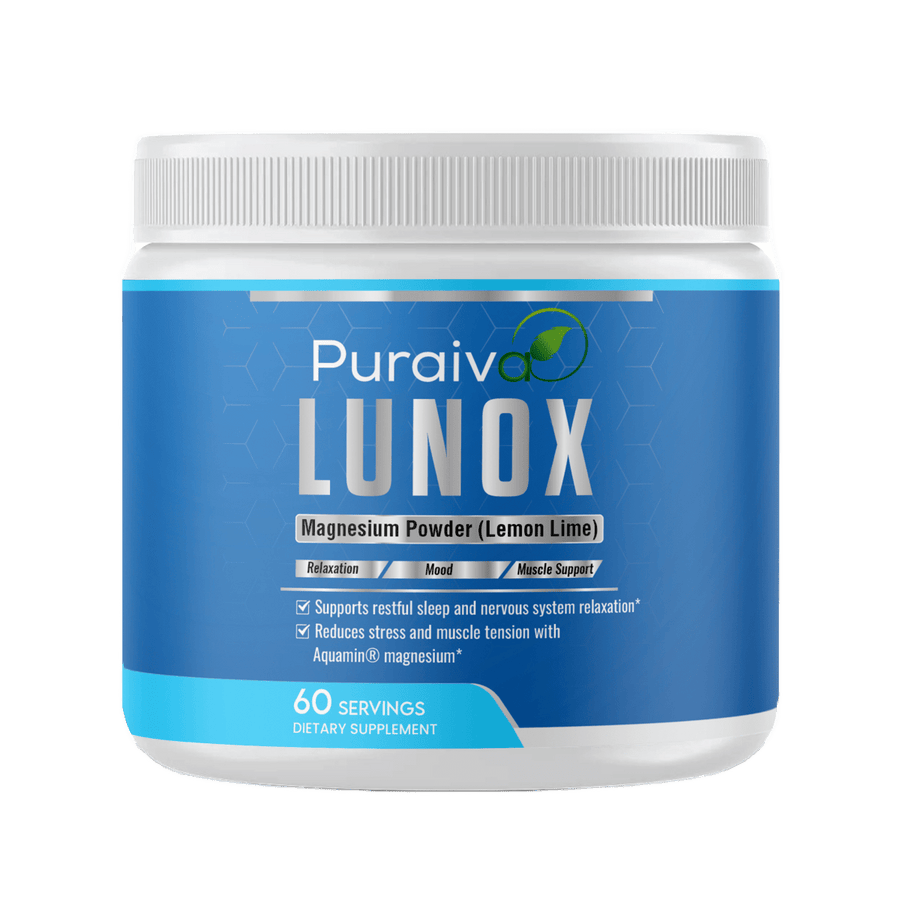
- Melatonin + Tart Cherry (in Lunox): For profound sleep support, a high-quality melatonin product like Puraiva's Lunox, which combines sleep-promoting compounds, can ensure consistent, restorative sleep – a cornerstone of immune health.
Real-World Routine for Optimized Immunity
Integrating these insights into a daily routine is simpler than it sounds. Consistency is key.
Morning:
- K2+D3: With breakfast to aid fat-soluble absorption.
- Omega-3s: With breakfast or lunch to improve nutrient absorption and reduce potential for reflux.
- AshwaVital: With breakfast to support HPA axis function throughout the day.
Evening:
- Magnesium Glycinate: 1-2 hours before bed for relaxation and restorative sleep.
- Lunox (if needed): 30-60 minutes before bed for deep sleep support.
Daily Throughout:
- Hydration: Plenty of filtered water.
- Whole Foods Diet: Emphasize fruits, vegetables, lean proteins, and healthy fats.
- Movement: Regular, moderate exercise.
- Stress Management: Daily practices like meditation, deep breathing, or spending time in nature.
Frequently Asked Questions About Immune Health
Q: Can I "overboost" my immune system?
A: The concept of "overboosting" is largely a misconception when discussing a regulated immune system. True "overboosting" implies an immune system spiraling out of control, as seen in autoimmune diseases or cytokine storms. Foundational nutrients and adaptogens, like those discussed, aim to modulate and balance the immune system, ensuring it responds appropriately and efficiently, rather than indiscriminately activating it. For individuals with autoimmune conditions, however, certain immune-stimulating herbs or high doses of specific nutrients might need careful consideration.
Q: How long does it take for immune supplements to work?
A: This varies significantly by nutrient and individual. Deficiencies in Vitamin D or zinc can impact immunity quickly, and correction might show benefits within weeks. Omega-3s and adaptogens like Ashwagandha, which work through more systemic regulatory pathways, often take 4-8 weeks of consistent use to show their full effects. Consistency over time is far more important than acute, high-dose interventions.
Q: Are Puraiva supplements suitable for children?
A: Puraiva Nutrition products are formulated for adults unless specifically indicated. Children have different nutritional requirements and dosing considerations. Always consult a pediatrician before giving any supplements to children.
Q: Can I take all these supplements at once?
A: Most foundational immune-supportive nutrients can be safely taken together. We recommend splitting doses (e.g., K2+D3 with breakfast, Magnesium Glycinate before bed) to optimize absorption and align with their physiological effects. If you are on prescription medications or have specific health conditions, always consult with your healthcare provider or a qualified nutritionist to ensure there are no contraindications or potential interactions.
The Evidence-Based Bottom Line
True immune health is not about a quick fix or an acute "boost." It's about consistent, intelligent support for a complex system. By understanding the deeper mechanisms of immune regulation, focusing on highly bioavailable nutrient forms, and integrating supplements as part of a holistic lifestyle, you move beyond the hype. Puraiva Nutrition is committed to providing premium, evidence-backed formulations that empower your body's intrinsic ability to maintain a strong, balanced, and resilient immune system.
The statements made regarding these products have not been evaluated by the Food and Drug Administration. These products are not intended to diagnose, treat, cure, or prevent any disease.