Puraiva / Blog / Sleep & Stress
The Oxygen Gap: How Magnesium Deficiency Causes Brain Fog and Stress
Discover the 'oxygen gap' — the hidden mechanism connecting magnesium deficiency to mental fatigue, brain fog, and chronic stress.
By Dr. Sarah Mitchell · · 6 min read
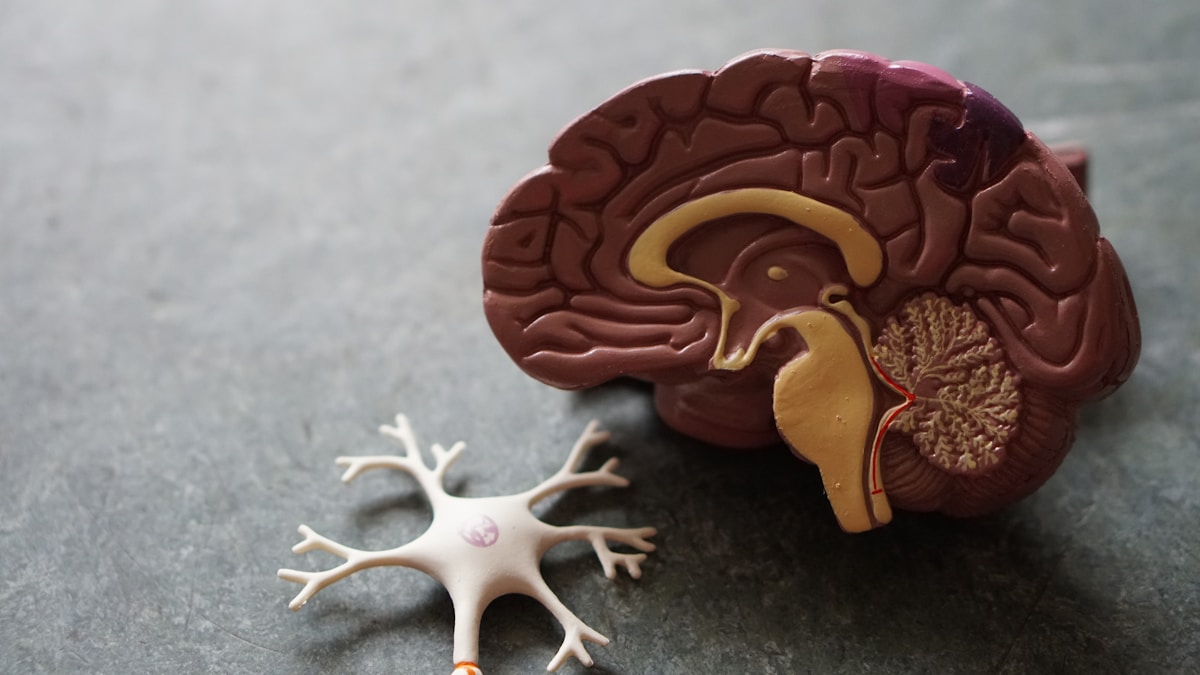
You're staring at your screen, but the words won't register. You walked into a room and forgot why. You're reaching for your third coffee, but even that isn't cutting through the haze. If you've been chalking up your brain fog to "just being tired," you might be missing the real problem — and it starts with a mineral deficiency that affects how your cells use oxygen.
We call it the Oxygen Gap — the under-recognized mechanism by which magnesium deficiency starves your brain of the oxygen-rich blood it needs to function clearly. It's the missing piece connecting your mental fatigue, stress, and that persistent feeling that your brain is running at 60% capacity.
What Is the Oxygen Gap?
Every cell in your body requires oxygen to produce energy (ATP) through the mitochondria. Your brain — despite being only 2% of your body weight — consumes roughly 20% of your total oxygen supply. It's the most oxygen-hungry organ you have.
Magnesium plays a critical role in this oxygen delivery system:
- Red blood cell flexibility — magnesium keeps red blood cells pliable so they can squeeze through tiny capillaries in the brain
- Vascular tone — magnesium relaxes blood vessel walls, ensuring optimal blood flow
- ATP production — magnesium is a required cofactor in every single ATP-generating reaction
When magnesium levels drop, all three systems are compromised. Blood vessels constrict. Red blood cells become rigid. ATP production slows. The result: your brain receives less oxygen, produces less energy, and you experience it as brain fog, mental fatigue, and difficulty concentrating.
The Stress Connection: How Cortisol Widens the Gap
Here's where it gets worse. Chronic stress elevates cortisol, and elevated cortisol accelerates magnesium excretion through the kidneys. So the more stressed you are, the faster you deplete the very mineral your brain needs to cope with stress.
This creates a compounding deficit:
- Stress raises cortisol
- Cortisol depletes magnesium
- Low magnesium impairs oxygen delivery to the brain
- Reduced brain oxygen increases anxiety and cognitive dysfunction
- Cognitive dysfunction increases perceived stress
- The cycle repeats, deeper each time
Signs the Oxygen Gap Is Affecting You
The oxygen gap doesn't always announce itself dramatically. It often presents as a collection of "minor" symptoms that people learn to live with:
- Persistent mental fatigue despite adequate sleep
- Difficulty finding words or following conversations
- "Foggy" thinking that clears temporarily with caffeine or exercise
- Feeling overwhelmed by tasks you used to handle easily
- Afternoon crashes that no amount of food or rest fixes
- Tension headaches, especially behind the eyes
If you're experiencing three or more of these regularly, magnesium deficiency — and the resulting oxygen gap — should be high on your investigation list.
Closing the Gap: How Magnesium Restores Clarity
Replenishing magnesium addresses brain fog at its source. Within weeks of consistent supplementation, many people report:
- Sharper focus and faster mental processing
- Reduced anxiety and feeling of mental "heaviness"
- Better stress tolerance throughout the day
- Improved sleep quality (which further supports cognitive function)
The key is choosing a form that's highly bioavailable and crosses the blood-brain barrier effectively. Magnesium glycinate is the leading choice for cognitive and stress-related symptoms because glycine itself supports neurotransmitter function. Magnesium citrate complements this with superior muscle relaxation and vascular support.
Why Most People Miss This Connection
Standard blood tests measure serum magnesium — but only 1% of your body's magnesium is in the blood. You can be significantly deficient at the cellular level while your blood work looks "normal." This is why the oxygen gap goes undiagnosed in millions of people who are told their labs are fine while they continue to struggle with fog and fatigue.
Your Next Step
Brain fog isn't something you have to accept. If stress, poor sleep, and mental fatigue are part of your daily experience, the oxygen gap may be the root cause — and magnesium is the most direct way to close it.
Want a personalized recommendation? Take the Cortisol Profile Quiz to find out which magnesium formula matches your specific symptoms.
Or explore our clinically formulated options directly:
- Lunox Magnesium Glycinate — optimized for cognitive clarity and stress
- Lunox Magnesium Citrate — enhanced absorption for full-body relaxation
Related reading: