Puraiva / Blog / Recovery & Mobility
Psoas Release: The Forgotten Muscle Behind Anxiety, Bloating, and Bad Sleep
Your psoas connects the spine to the legs, but its real job is fight-or-flight. A chronically tight psoas keeps your nervous system in sympathetic overdrive — and most people don't know it.
By Dr. Sarah Mitchell · · 11 min read
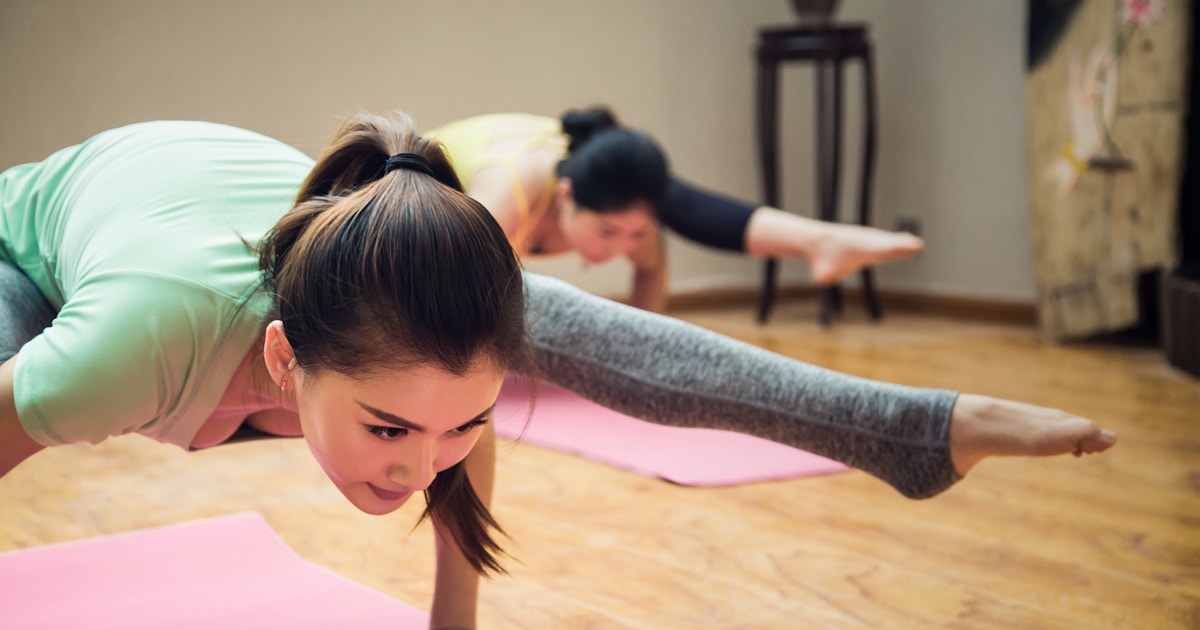
If you've tried therapy, meditation apps, gut protocols, and three different sleep supplements and still feel anxious, bloated, and unrested — you may have missed the muscle that connects all three. The psoas is the deepest core muscle in the body, the only one that connects the spine to the legs, and the only one with a direct line to your fight-or-flight nervous system. When it's chronically tight (and for most modern adults, it is), it produces a constellation of seemingly unrelated symptoms: anxiety, shallow breathing, bloating, lower back pain, and fragmented sleep.
Release it and the cascade reverses. Here's how.
What the Psoas Actually Does
The psoas major originates on the lumbar vertebrae (T12–L5), travels through the pelvis, and attaches to the lesser trochanter of the femur. Functionally, it's the primary hip flexor. Anatomically, it's the bridge between your spine and your legs.
Neurologically, it's something else entirely. The psoas is one of the few skeletal muscles directly innervated by sympathetic nervous system fibers. When you sense danger, the psoas contracts to prepare you to fight or flee. This response was designed to be acute — contract, run, release. In modern life, the threat signals never stop, and the psoas never fully releases.
The Symptom Cascade of a Chronically Tight Psoas
Anxiety That Doesn't Respond to Talk Therapy
If your psoas is chronically contracted, your brain receives a continuous "we are in danger" afferent signal. You can intellectually know you're safe and still feel sympathetic activation, because the body is feeding the brain a threat signal independent of your thoughts. This is why somatic work often succeeds where cognitive work plateaus.
Shallow Breathing
The psoas attaches near the diaphragm. A tight psoas restricts diaphragmatic excursion, forcing chest breathing — which itself activates the sympathetic nervous system. The result is a feedback loop: tight psoas → shallow breath → more sympathetic tone → tighter psoas.
Bloating and Digestive Issues
The psoas runs adjacent to the abdominal organs. When it's contracted, it physically compresses the digestive tract, slowing motility and contributing to bloating, constipation, and the sensation of fullness after small meals.
Lower Back Pain
Because the psoas originates on the lumbar vertebrae, chronic contraction pulls forward on the lower spine, creating an anterior pelvic tilt and lumbar compression. This is the source of nighttime back pain for many people. See our lower back pain protocol.
Fragmented Sleep
The psoas can't fully release if the nervous system is sympathetic, and you can't reach deep sleep if the psoas is contracted. The result: light, fragmented sleep, frequent repositioning, and 3 AM wake-ups.
Why Modern Life Wrecks the Psoas
- Sitting 8+ hours a day. The psoas is in its shortened position the entire time. Tissue adapts to where it spends time.
- Chronic stress signaling. Every notification, every deadline, every meeting is a low-grade threat signal that contracts the psoas.
- Lack of full hip extension. Walking on flat ground, sitting in chairs, sleeping in fetal position — nothing in modern life takes the psoas through its full lengthened range.
- Magnesium deficiency. Without adequate magnesium, muscles can't fully release contraction.
The 10-Minute Psoas Release Protocol
Do this nightly for 14 days. Take 400mg of magnesium glycinate 30–45 minutes beforehand so it's peaking as you work.
1. Constructive Rest Position (3 minutes)
Lie on your back with knees bent, feet flat on the floor, hip-width apart. Let your knees fall together gently. This is the only position in modern life where the psoas is in true neutral. Just breathe. The release happens by absence of demand — you're letting the muscle remember neutral.
2. Half-Kneeling Hip Flexor Stretch (1 minute each side)
Kneel on one knee, other foot forward at 90 degrees. Tuck your tailbone and gently shift your weight forward without leaning. You should feel a stretch deep in the front of the hip on the kneeling side. Keep the stretch gentle — aggressive stretching activates the protective reflex you're trying to release.
3. Couch Stretch (1 minute each side)
Place one foot up behind you on a couch or low surface, other knee bent at 90 degrees in front. Sink down and forward. This is a deeper psoas and quad stretch. Breathe slow and long.
4. Supine Spinal Twist (1 minute each side)
Lie on back, arms in T, drop both knees to one side. The psoas releases through rotation as well as extension.
5. Constructive Rest Return (2 minutes)
End where you started. The closing rest is when the nervous system integrates the work. Skip it and you lose half the benefit.
The Supplement Side: Why Magnesium Is Non-Negotiable
The psoas is a sympathetically-innervated muscle that uses calcium to contract and magnesium to release. In a deficient state, even with perfect stretching, the muscle won't fully let go. Magnesium glycinate at 400mg in the evening is the biochemical complement to the mechanical work.
Adaptogens for the Other Half
If the threat signaling driving the psoas contraction is chronic stress, you also need to address the source. AshwaVital lowers HPA axis output over 4–8 weeks, which reduces the sympathetic input to the psoas. Stretching alone is treating the symptom; ashwagandha + stretching addresses the cause.
What to Expect: 14-Day Timeline
Days 1–4: Awareness
You'll notice how restricted the psoas actually is. The constructive rest position may feel surprisingly hard to stay in. Some people experience emotional release during the work — this is well-documented and normal.
Days 5–9: Mechanical Release
Hip extension range improves. Lower back pain decreases. Breathing feels deeper. Some people report a notable drop in baseline anxiety.
Days 10–14: Nervous System Reset
The cumulative effect compounds. Sleep deepens. Bloating decreases. Anxiety baseline shifts. This is where most people realize they'd been living with chronic psoas tension for years without knowing it.
What This Protocol Won't Fix
It won't address structural hip pathology, severe disc issues, or psoas trigger points that need manual therapy. If 14 days of consistent work produces no change, see a physical therapist or somatic practitioner. But for the vast majority of modern adults with stress-related psoas tension, the protocol works.
The Full Stack for Psoas + Nervous System
- Mechanical: The 10-minute psoas release nightly
- Biochemical evening: Magnesium Glycinate 400mg
- Biochemical morning: AshwaVital for HPA regulation
- Sleep architecture: Lunox for deep sleep support
For the integrated system, see The Recovery Trinity Guide. Not sure where to start? Take the Cortisol Profile Quiz for a personalized recommendation.
The Bottom Line
The psoas is the forgotten muscle because we can't see it, can't easily palpate it, and most movement systems don't teach it. But it sits at the junction of your structural and nervous systems, and when it's chronically tight — which, for most modern adults, it is — it drives a cascade of symptoms that look unrelated until you trace them back. Release it mechanically, support it biochemically, and a lot of "unsolvable" anxiety, bloating, and sleep problems resolve.
These statements have not been evaluated by the Food and Drug Administration. This product is not intended to diagnose, treat, cure, or prevent any disease.