Puraiva / Blog / Supplements
Pura Vida Magnesium: Bioavailability, Benefits, and Smart Buying
Looking into pura vida magnesium? Learn why mineral purity, proper chelation, and marine-derived cofactors determine whether your magnesium works or goes to waste.
By Dr. Sarah Mitchell · · 12 min read
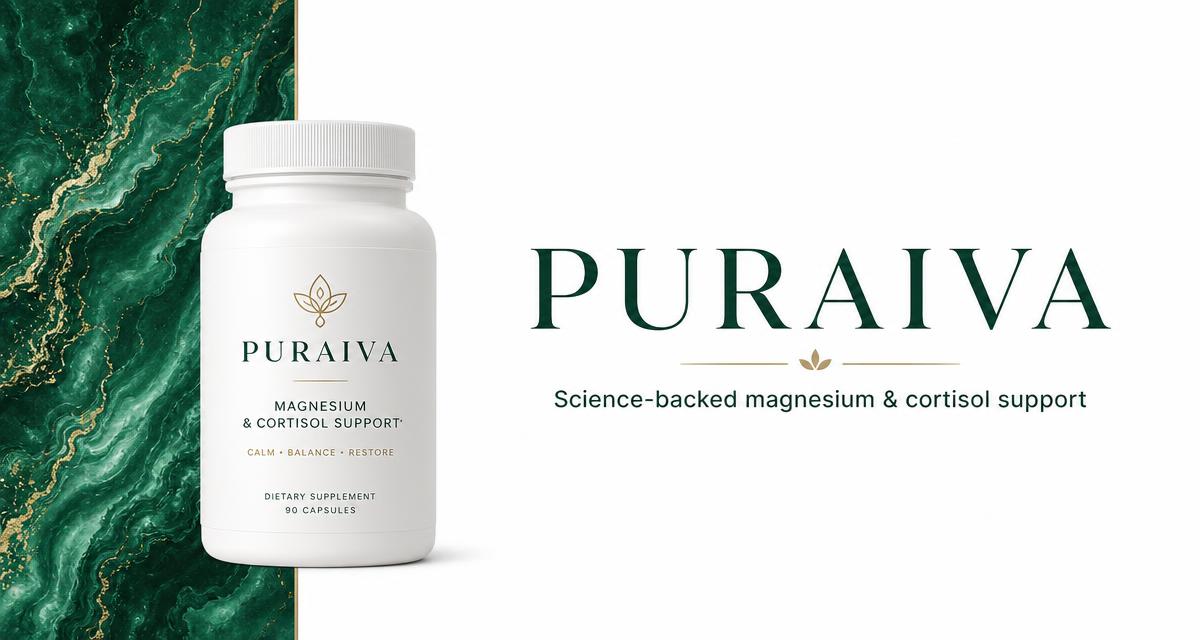
When health-conscious shoppers search for pura vida magnesium, they are almost always looking for the same core ideal: a clean, pure, non-laxative mineral source that aligns with a restorative, low-stress lifestyle. The philosophy of pura vida—living purely, calmly, and in balance—stands in stark contrast to the modern reality of depleted agricultural soils, chronic sympathetic nervous system activation, and supplement shelves packed with low-grade mineral salts. Magnesium is the biochemical engine behind that state of equilibrium, yet finding a supplement that delivers high cellular uptake without digestive distress requires looking past marketing buzzwords and examining the molecular chemistry of what you put in your body.
What Does Pura Vida Magnesium Really Mean for Your Body?
Magnesium is an essential macromineral required as an enzymatic cofactor in more than 300 biochemical reactions across the human body. From the enzymatic generation of adenosine triphosphate (ATP) in your mitochondria to the regulation of calcium channels in cardiac tissue, magnesium acts as a master physiological regulator. When your intake matches your body's demands, systems run quietly and efficiently. When intake falls short, subtle physiological friction begins to accumulate: muscles remain partially contracted, neurons remain hyper-excitable, and evening nervous system downshifts become erratic.
The concept of a pure, clean mineral formula—often searched as pura vida magnesium—reflects a growing awareness that standard drugstore options rarely provide what active, stressed bodies actually need. Many commercial products rely on magnesium oxide or poorly chelated inorganic salts that exhibit low intestinal bioavailability. Because magnesium ions carry a double positive charge (Mg2+), they attract water molecules aggressively. If a compound does not dissolve and cross the intestinal barrier smoothly, it draws water into the colon, producing a swift laxative effect while leaving your bloodstream and tissues starved of the actual mineral.
Understanding this distinction is foundational. A true whole-body magnesium protocol is not designed to rush through the digestive tract; it is designed to achieve sustained cellular saturation, helping support normal baseline muscle relaxation, neural calm, and adrenal function.
The Cellular Depletion Crisis: Why Modern Diets Leave You Deficient
Decades of intensive monoculture farming, synthetic nitrogen-phosphorus-potassium (NPK) fertilizers, and topsoil erosion have dramatically reduced the trace mineral content of our food supply. Even if your daily plate is filled with dark leafy greens, pumpkin seeds, whole grains, and legumes, the baseline mineral density of those foods is lower than it was half a century ago. To explore whether common daily signals reflect low mineral levels, you can review our breakdown of magnesium deficiency signs, symptoms, and solutions.
"Magnesium functions as nature's cellular brake pedal. While calcium initiates muscle contraction and nerve depolarization, magnesium restores relaxation and resets the membrane potential. Without adequate magnesium, the nervous system remains stuck in drive."
Compounding this baseline agricultural depletion is the modern stress response. When you experience psychological tension, workload pressure, or poor sleep, the adrenal glands pump catecholamines and glucocorticoids into circulation. During acute and chronic stress, urinary excretion of magnesium escalates rapidly. This dynamic creates a challenging physiological loop: stress depletes magnesium, and low intracellular magnesium makes the nervous system more reactive to subsequent stressors. Learning how magnesium interacts with cortisol reveals why maintaining adequate serum and tissue concentrations is so vital for daytime calm and evening restoration.
Comparing Mineral Forms: Chelates vs. Marine Sources vs. Salts
Not all forms of magnesium behave identically once ingested. The carrier molecule bonded to the elemental magnesium atom dictates where the compound is absorbed, how much elemental mineral reaches systemic circulation, and whether you experience gut irritation. The table below outlines how common forms perform across key clinical criteria:
| Magnesium Form | Bonded Molecule | Bioavailability | Primary Tissue Target | Digestive Impact |
|---|---|---|---|---|
| Magnesium Glycinate | Amino acid (Glycine) | Exceptionally High | Brain, central nervous system, muscle tissue | Gentle; virtually non-laxative |
| Marine Magnesium (Aquamin) | Whole-food marine algae matrix | High with trace cofactors | Bone matrix, metabolic health, whole-body balance | Gentle; highly buffered |
| Magnesium Malate | Malic acid (Krebs cycle) | High | Skeletal muscle, mitochondrial energy production | Gentle to moderate |
| Magnesium Citrate | Citric acid | Moderate | Lower bowel, smooth muscle | Moderate osmotic/laxative effect |
| Magnesium Oxide | Inorganic oxygen bond | Very Low (approx. 4%) | Intestinal lumen (stool softening) | Strong osmotic laxative effect |
Magnesium Bisglycinate: The Gold Standard for Nervous System Support
Magnesium bisglycinate consists of one elemental magnesium ion chelated to two molecules of the inhibitory amino acid glycine. This biochemical structure offers two distinct advantages. First, because the mineral is securely bound between the amino acids, it does not dissociate readily in the stomach's acidic environment. Instead of relying on vulnerable mineral ion channels, it travels across the intestinal mucosal wall via specialized peptide transporters (PEPT1), which prevents it from pulling unbound water into the bowel.
Second, glycine itself operates as an inhibitory neurotransmitter in the brain and spinal cord, binding to glycine receptors and collaborating with gamma-aminobutyric acid (GABA). This synergistic relationship explains why so many individuals choose this form when addressing sleep onset challenges and muscle tightness. For a deeper analysis of how this chelate functions specifically before bed, see our magnesium glycinate sleep guide.
Marine-Derived Magnesium: Whole-Mineral Synergy
In nature, minerals never exist in sterile isolation. They are embedded within mineralized matrices that include boron, silicon, strontium, sulfur, and dozens of trace elements that act as biological catalysts. This is why marine-derived mineral complexes—such as those harvested sustainably from calcified red algae—have gained significant clinical interest. Rather than functioning solely as an isolated chemical salt, marine magnesium carries trace mineral cofactors that enhance tissue assimilation. Readers curious about oceanic sourcing can explore the mechanisms of Aquamin marine mineral benefits to understand how whole-food matrices support systemic wellness.
The Problem with Multi-Form Kitchen-Sink Formulas
As consumer interest in high-absorption minerals has grown, some supplement manufacturers have begun marketing "10-in-1" or "12-in-1" complexes. These formulas claim to offer comprehensive benefits by packing a dozen different magnesium salts into a single capsule. In practice, however, these blends frequently fall short of clinical efficacy.
The physical constraints of a standard vegetable capsule limit its payload to roughly 700 to 900 milligrams of raw powder. Because high-absorption chelates like magnesium bisglycinate contain roughly 12% to 14% elemental magnesium by molecular weight, delivering a standard physiological dose of 200 mg of elemental magnesium requires substantial physical volume. When a manufacturer attempts to squeeze ten different forms into two capsules, the actual amounts of high-value chelates (like glycinate, taurate, or threonate) are diluted down to cosmetic amounts—often called "fairy dusting." The remaining space is often filled with inexpensive, dense magnesium oxide to artificially inflate the "elemental magnesium" claim on the nutrition panel. For an objective look at this manufacturing loophole, read our breakdown on why 12-in-1 magnesium complexes often underdeliver.
Key Physiological Roles: How Pura Vida Magnesium Promotes Total Wellness
1. Neuromuscular Relaxation and Nighttime Recovery
Muscle fibers require ATP to disengage the actin-myosin cross-bridges that cause tension. Calcium floods into muscle cells to initiate contraction, while magnesium pumps calcium back out into the sarcoplasmic reticulum so the muscle fiber can rest. When cellular magnesium is low, muscle cells struggle to clear calcium, leaving fibers in a semi-contracted, irritable state. This manifests as involuntary eyelid twitches, calf cramps, restless legs, and chronic upper-back tension. By replenishing intracellular reserves, you support the physical ease necessary for restorative rest.
2. Calming the HPA Axis and Mitigating Evening Cortisol
Your hypothalamic-pituitary-adrenal (HPA) axis governs your response to daily stressors. Research indicates that magnesium acts as a natural antagonist at the N-methyl-D-aspartate (NMDA) receptor in the brain, preventing excitatory neurotransmitters like glutamate from overstimulating neurons. Furthermore, magnesium supports the structural integrity of the blood-brain barrier and helps downregulate excessive adrenocorticotropic hormone (ACTH) signaling from the anterior pituitary. When taken in the evening, a bioavailable magnesium formula assists the body in dropping core body temperature and facilitating normal nocturnal melatonin release, avoiding the dreaded "wired but tired" phenomenon.
3. Supporting Metabolic Flexibility and Cellular Energy
Every single molecule of ATP produced during cellular respiration must bind to a magnesium ion to become biologically active (forming Mg-ATP). If you lack adequate magnesium, your cellular power plants cannot utilize fuel efficiently. This impacts blood sugar clearance as well, because the insulin receptor tyrosine kinase enzyme requires intracellular magnesium to initiate the glucose uptake cascade into muscle cells. Supporting healthy mineral balance helps maintain stable daytime energy without relying on nervous system stimulants.
Dosage, Timing, and Optimization Strategies
To obtain meaningful results from your mineral protocol, proper dosing and administration schedules are essential. Below are practical guidelines tailored to individual daily rhythms:
- General Daily Maintenance: For adult men and women, supplemental elemental magnesium typically ranges from 200 mg to 400 mg daily, taking dietary intake into account.
- Evening Rest Protocol: If your primary goal is downshifting the nervous system and improving sleep architecture, take your dose 45 to 60 minutes before bed. Pairing a chelate like bisglycinate with a small amount of complex carbohydrates can enhance amino acid transport across the blood-brain barrier.
- Post-Workout Recovery: Active individuals who lose electrolytes through sweat often benefit from taking half their daily dose with an afternoon meal and the remaining half in the evening to sustain muscle protein synthesis and reduce overnight muscle tightness.
- Avoiding Absorption Antagonists: Avoid taking high-dose magnesium at the exact same meal as massive doses of calcium (over 500 mg) or zinc (over 30 mg), as these divalent cations share competitive mucosal transport channels in the proximal small intestine.
Unsure which specific mineral ratio or herbal stack aligns best with your metabolic profile, sleep patterns, and daily stress burden? Take our quick personalized wellness assessment to receive tailored nutritional recommendations based on your distinct physiological needs.
Critical Quality Standards: Verifying Purity Before You Buy
Because the dietary supplement marketplace remains largely self-regulated, consumers must exercise discernment when selecting mineral products. To verify that a product delivers genuine physiological value rather than cheap fillers, look for the following quality indicators:
- Fully Reacted Chelates: Ensure the label specifies "fully reacted" or "buffered vs. non-buffered." Unbuffered magnesium bisglycinate contains no added magnesium oxide. If a company uses buffered bisglycinate without disclosing it, you are paying chelate prices for disguised oxide.
- Third-Party Analytical Testing: Heavy metals like lead, cadmium, arsenic, and mercury naturally occur in soil and ocean waters. High-integrity manufacturers submit every single production batch to accredited, independent third-party laboratories for ICP-MS (inductively coupled plasma mass spectrometry) testing to confirm that heavy metal levels fall far below USP and Prop 65 safety thresholds.
- Excipient Cleanliness: A truly pure formula should avoid unnecessary manufacturing lubricants like magnesium stearate, artificial coloring agents, silicon dioxide fillers, and titanium dioxide. Clean vegetable capsules (hypromellose) with organic rice extract are the gold standard for clean encapsulation.
- Transparent Elemental Labeling: The supplement facts panel must clearly state the exact amount of elemental magnesium per serving, not merely the gross weight of the compound. For instance, "Magnesium Bisglycinate Chelate 1,500 mg (supplying 200 mg Elemental Magnesium)" provides full transparency.
How Puraiva Nutrition Delivers True Purity
At Puraiva Nutrition, we formulate supplements grounded in scientific research, physiological transparency, and uncompromising ingredient testing. We reject the trend of fairy-dusted proprietary blends and deceptive multi-mineral complexes that prioritize label claims over human biology.
Our magnesium formulations utilize fully reacted, non-laxative chelates and pure marine-derived mineral complexes designed for maximum cellular absorption. Every batch produced in our cGMP-compliant facilities undergoes rigorous third-party analytical testing for heavy metal contamination, microbial purity, and exact potency verification. By pairing clean mineral science with uncompromised manufacturing standards, Puraiva delivers the genuine restorative calm you expect when choosing pure nutritional support.