Puraiva / Blog / Superfoods
Sea Moss 92 Minerals: What the Science Actually Says (2026 Truth)
You've seen the claim everywhere — but does sea moss really contain 92 of the 102 minerals your body needs? Here's the honest answer.
By Dr. Sarah Mitchell · · 7 min read
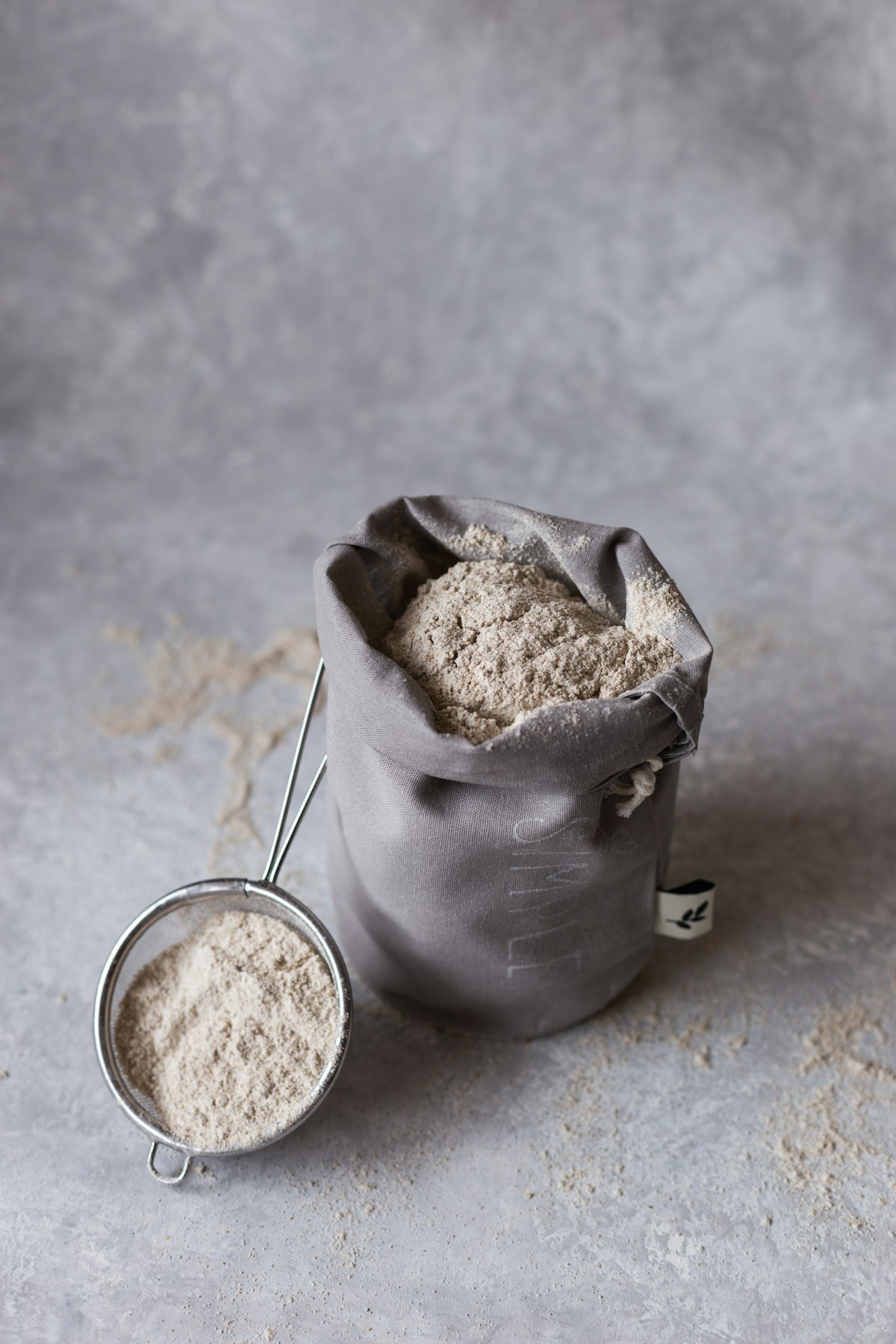
Problem: Every wellness influencer says sea moss contains "92 of the 102 minerals your body needs." That number gets repeated so often it feels like fact. But where did it come from — and is it actually true?
Agitate: The truth is messier. The 92-mineral claim traces back to a single, non-peer-reviewed dietary article from the 1990s. Real lab analyses of Chondrus crispus (true Irish sea moss) typically detect 15–25 measurable minerals — not 92. That doesn't mean sea moss isn't powerful. It means most of what you've been told is marketing.
What Sea Moss Actually Contains
Independent lab testing of wildcrafted Irish sea moss consistently shows meaningful levels of iodine, potassium, calcium, magnesium, iron, zinc, selenium, sulfur, and bromine — plus the trace minerals copper, manganese, and chromium. It's also one of the richest natural sources of carrageenan, a soluble fiber that supports gut lining integrity and mucous membrane health.
The Real Hero Nutrients
- Iodine (47–400 mcg/g): Critical for thyroid hormone production — most Americans are deficient.
- Potassium chloride: Supports electrolyte balance, especially post-workout.
- Bioavailable iron: Plant-based and gentle on the gut.
- Polysaccharides: Prebiotic fiber that feeds healthy gut bacteria.
Solution: Pair Sea Moss With Synergistic Allies
Sea moss alone is a strong mineral base, but its benefits multiply when paired with bladderwrack (more iodine + fucoidan) and burdock root (liver-supporting inulin). This trio — used together for centuries in Caribbean herbal medicine — covers thyroid, lymph, skin, and digestion in one protocol.
Our Organic Sea Moss + Bladderwrack + Burdock Root uses wildcrafted Atlantic sea moss enhanced with BioPerine® for 30% better mineral absorption — third-party tested for heavy metals (a real concern with cheap, pond-grown sea moss).
Frequently Asked Questions
Does sea moss really have 92 minerals?
No verifiable lab analysis supports the 92-mineral figure. Sea moss does contain 15–25 measurable minerals, which is still exceptional for a single whole food.
Is sea moss safe to take daily?
Yes, at recommended doses (1–2 tbsp gel or 500–1000 mg capsules). Skip it if you have a known iodine sensitivity or are on thyroid medication without checking with your doctor.
Related reading:
Not sure which superfood your body is craving? Take the Cortisol Profile Quiz.
The Deeper Mechanisms: How Sea Moss Exerts Its Benefits Beyond Basic Nutrition
While the rich mineral profile of sea moss is undoubtedly foundational, its health-promoting effects extend into more subtle, yet powerful, physiological pathways. Understanding these mechanisms helps us appreciate sea moss not just as a mineral supplement, but as a functional food with broad systemic influence.
Immunomodulation and Anti-inflammatory Pathways
- Sulfated Polysaccharides: Carrageenan, specifically lambda-carrageenan found abundantly in Chondrus crispus, has been shown to exhibit immunomodulatory properties. Research in Marine Drugs (2018) indicates that these polysaccharides can interact with immune cells, potentially stimulating beneficial immune responses while dampening excessive inflammation. This isn't just about fighting infection; it’s also about maintaining immune balance, crucial for overall resilience.
- Antioxidant Powerhouse: Sea moss contains various phenolic compounds and flavonoids, which act as potent antioxidants. These compounds scavenge free radicals, reducing oxidative stress that can damage cells and contribute to chronic diseases. A study in the Journal of Applied Phycology (2015) highlighted the significant antioxidant capacity of Irish sea moss extracts.
Gut Health Revolution: Prebiotics and Mucosal Support
The gut is often called the "second brain," and its health is inextricably linked to overall well-being. Sea moss plays a critical role here:
- Prebiotic Fiber: The soluble fibers and polysaccharides within sea moss act as prebiotics, selectively feeding beneficial gut bacteria like Bifidobacterium and Lactobacillus. This promotes a diverse and healthy gut microbiome, which is vital for nutrient absorption, immune function, and even mood regulation. Research in Food & Function (2020) demonstrated the prebiotic potential of sea moss polysaccharides.
- Intestinal Barrier Integrity: Carrageenan, beyond its immunomodulatory role, also contributes to the integrity of the gut lining. It can form a protective gel-like layer, reinforcing the mucosal barrier and potentially reducing "leaky gut" syndrome, where toxins and undigested food particles can pass into the bloodstream. This sustained mucosal health is paramount for preventing systemic inflammation and supporting digestive comfort.
Dosing Nuance and Who Should Exercise Caution
Appropriate dosing is paramount to harnessing the benefits of sea moss without adverse effects. While generally safe, its high iodine content necessitates mindful consumption, particularly for certain individuals.
Recommended Doses and Considerations
- Gel Form: Typically, 1-2 tablespoons (approximately 10-20 grams) of prepared sea moss gel per day is a common and well-tolerated dose. This allows for gradual integration into the diet.
- Capsule Form: For concentrated supplements like Puraiva's Organic Sea Moss + Bladderwrack + Burdock Root, the recommended dose is usually 500-1000 mg daily, as indicated on the product label. Always adhere to the manufacturer’s guidelines.
- Start Low, Go Slow: We advise beginning with a lower dose and gradually increasing it over a week or two to assess individual tolerance, especially concerning iodine.
When to Exercise Caution or Avoid Sea Moss
Despite its health advantages, sea moss is not for everyone without medical consultation:
- Thyroid Conditions: Individuals with pre-existing thyroid disorders (hyperthyroidism, Hashimoto’s thyroiditis, Grave’s disease) or those on thyroid medication should consult their endocrinologist before consuming sea moss. The high and variable iodine content can exacerbate symptoms or interfere with medication effectiveness. A study in Thyroid (2019) highlights the complex interplay between iodine intake and thyroid health.
- Iodine Sensitivity/Allergy: Though rare, an allergy or hypersensitivity to iodine or other components of sea moss can occur. Discontinue use if symptoms like rash, swelling, or difficulty breathing appear.
- Pregnancy and Breastfeeding: While some cultures traditionally use sea moss during these periods, the lack of extensive clinical trials on specific dosages and effects warrants caution. It's best to consult with an OB/GYN or lactation consultant.
- Anticoagulant Medications: Sea moss contains vitamin K, a known blood clotting factor. Though in small quantities, those on blood thinners like warfarin should discuss sea moss use with their doctor to avoid potential interactions.
- Heavy Metal Concerns: As with all sea vegetables, sourcing is critical. Cheaply sourced sea moss, especially from polluted waters, can accumulate heavy metals. Puraiva Nutrition rigorously third-party tests its products to ensure purity and freedom from contaminants.
Common Mistakes and How to Avoid Them for Optimal Benefit
Even with the best intentions, missteps in sea moss consumption can diminish its potential benefits or even lead to unintended side effects. Being aware of these pitfalls allows for a more effective and safer experience.
Ignoring Sourcing and Quality
This is perhaps the most critical mistake. Not all sea moss is created equal:
- The "Pond-Grown" Problem: Much of the cheaply available sea moss on the market is "pool-grown" or "farmed" in artificial environments. This often results in a product that lacks the potent mineral profile of wildcrafted sea moss, and can even be riddled with fillers, dyes, or harmful bacteria. Real, wildcrafted sea moss should not be uniformly thick, perfectly clean, or devoid of natural ocean aroma.
- Heavy Metal Contamination: Sea moss is bioaccumulative, meaning it absorbs minerals (and contaminants) from its environment. Sourcing from polluted waters can lead to high levels of lead, arsenic, mercury, or cadmium. Always choose brands that provide third-party lab testing for heavy metals – Puraiva Nutrition makes this a non-negotiable standard for our Organic Sea Moss + Bladderwrack + Burdock Root.
- Bleaching and Processing: Some commercial sea moss is bleached to achieve a uniform, appealing color, which can strip away vital nutrients. Opt for natural, unbleached varieties.
Overdoing It with Iodine
While iodine is crucial, excess can be detrimental, especially for sensitive individuals:
- "More is Better" Mentality: This doesn't apply to iodine. Overconsumption can induce or exacerbate thyroid dysfunction, including hyperthyroidism or hypothyroidism, as noted in a review in Experimental and Clinical Endocrinology & Diabetes (2017).
- Ignoring Other Iodine Sources: If you consume other iodine-rich foods (e.g., kelp, other sea vegetables, iodized salt) or supplements, be mindful of your total daily intake when adding sea moss.
Inadequate Preparation of Raw Sea Moss
If you're buying raw, dried sea moss, proper preparation is key:
- Insufficient Rinsing: Wildcrafted sea moss can contain natural debris from the ocean. Thoroughly rinse it multiple times to remove sand, salt, and any sea particles.
- Improper Soaking: Soaking in filtered water for 12-24 hours is essential to rehydrate and soften the sea moss before blending into a gel. Adding a squeeze of lime can help neutralize the ocean scent and enhance mineral bioavailability.
- Storage Issues: Prepared sea moss gel is perishable. Store it in an airtight container in the refrigerator for up to 2-3 weeks; freeze for longer storage.
Stacking Sea Moss with Synergistic Nutrients for Enhanced Wellness
While sea moss boasts a comprehensive nutrient profile, combining it with other targeted supplements can create powerful synergies, amplifying specific health outcomes.
For Enhanced Thyroid and Energy:
- Selenium: This trace mineral is essential for converting inactive thyroid hormone (T4) into its active form (T3). Many modern diets are low in selenium. Pairing sea moss with a high-quality selenium supplement (e.g., L-selenomethionine) ensures optimal thyroid function, especially given sea moss's iodine content.
- L-Tyrosine: An amino acid that serves as a precursor for thyroid hormones and neurotransmitters. When combined with the iodine from sea moss, it provides the essential building blocks for robust thyroid hormone production.
For Deeper Relaxation and Stress Support:
- Magnesium Glycinate: Magnesium is a cofactor in over 300 enzymatic reactions and is critical for nervous system regulation, muscle relaxation, and sleep quality. While sea moss contains magnesium, supplementing with a highly bioavailable form like magnesium glycinate can significantly enhance its calming effects, especially for sleep or anxiety. Research in Nutrients (2017) highlighted the benefits of magnesium supplementation for stress and sleep.
- Ashwagandha (Withania somnifera): This adaptogenic herb works by modulating the stress response and cortisol levels. Combining it with sea moss can provide a comprehensive approach to stress management, promoting a sense of calm and resilience. Our AshwaVital offers this powerful botanical in a potent format.
For Advanced Gut Health and Detoxification:
- Probiotics: While sea moss acts as a prebiotic, directly introducing diverse strains of beneficial bacteria via a probiotic supplement can further populate and diversify the gut microbiome. This creates a more resilient gut ecosystem.
- Fulvic/Humic Acid: These natural compounds enhance nutrient absorption and chelate heavy metals and toxins, supporting detoxification pathways. Their inclusion can augment sea moss's ability to deliver minerals and assist in systemic cleansing.
Real-World Integration: Incorporating Sea Moss into Your Daily Routine
The versatility of sea moss gel makes it incredibly easy to integrate into almost any dietary regimen. Here are some practical and delicious ways to make it a consistent part of your wellness journey:
Breakfast Boosters:
- Smoothies: This is arguably the most popular method. Add 1-2 tablespoons of sea moss gel into your favorite smoothie recipe. It acts as a natural thickener and is virtually tasteless when blended with fruits, vegetables, and protein powder.
- Oatmeal/Porridge: Stir a tablespoon of sea moss gel into your warm oatmeal or overnight oats for an added creamy texture and mineral boost.
- Yogurt/Parfaits: Layer sea moss gel with yogurt, granola, and berries for a nutrient-dense breakfast or snack.
Lunch & Dinner Enhancements:
- Salad Dressings: Whisk a small amount of gel into homemade vinaigrettes or creamy dressings for a subtle nutritional upgrade.
- Soups & Stews: Incorporate sea moss gel into hot soups or stews during the last few minutes of cooking. It won't alter the flavor significantly but will thicken the consistency and add nutrients.
- Sauces & Dips: Blend sea moss gel into hummus, guacamole, or pasta sauces for an undetectable mineral infusion.
Creative Applications:
- Vegan Jellies/Gummies: Its gelling properties make sea moss ideal for creating homemade, nutritious fruit jellies or gummies.
- Face Masks: Beyond internal benefits, some use sea moss gel topically as a hydrating and mineralizing face mask. Apply a thin layer, leave for 15-20 minutes, and rinse with warm water.
Frequently Asked Questions (FAQ) Deep Dive
Does sea moss interact with medications?
Yes, potentially. Due to its iodine and vitamin K content, sea moss can interact with thyroid medications (e.g., levothyroxine) and blood thinners (e.g., warfarin). Always consult your prescribing physician before adding sea moss to your regimen if you are on any regular medication. This is a critical step to ensure safety and prevent adverse effects.
How quickly can I expect to see benefits from sea moss?
Individual responses vary greatly based on diet, lifestyle, and existing nutrient deficiencies. Some people report experiencing subtle improvements in digestion, energy, or skin health within a few weeks of consistent use. For more profound changes, such as improved thyroid function or stronger hair and nails, it may take several months. Think of sea moss as a foundational health support rather than a quick fix.
Can children consume sea moss?
While sea moss is a natural food, specific dosing for children has not been extensively studied in clinical trials. Generally, it's advisable to consult with a pediatrician before introducing sea moss or any new supplement to a child's diet, especially given the iodine content. If approved, start with very small amounts.
Is sea moss good for weight loss?
Sea moss is not a "weight loss miracle," but it can support healthy weight management through several mechanisms. Its high fiber content promotes satiety, helping you feel fuller for longer and potentially reducing overall calorie intake. Furthermore, by supporting thyroid function, it can indirectly aid metabolism. However, sustainable weight loss primarily depends on a balanced diet, regular exercise, and a healthy lifestyle.
What's the difference between Irish moss and other types of sea moss?
True Irish Moss refers specifically to Chondrus crispus, found primarily in the cold waters of the North Atlantic. Other common types, often commercially labeled as "sea moss," include Gracilaria and Eucheuma cottonii, which are typically found in warmer, tropical waters. While all offer nutritional benefits, their exact mineral and polysaccharide composition can differ. Puraiva Nutrition features wildcrafted Chondrus crispus for its historically recognized efficacy and robust nutrient profile.
The Evidence-Based Bottom Line: Beyond the Hype
Sea moss, particularly wildcrafted Chondrus crispus, is a genuinely nutrient-dense superfood. While the "92 minerals" claim is an overstatement that doesn't hold up to scientific scrutiny, its verifiable content of 15-25 essential minerals — notably iodine, potassium, calcium, and magnesium — positions it as an exceptional natural source for addressing common deficiencies. Furthermore, its rich profile of sulfated polysaccharides classifies it as a powerful prebiotic, immunomodulator, and gut-lining supportive agent. When sourced responsibly, prepared correctly, and consumed mindfully, sea moss transcends mere trend status to become a valuable, evidence-backed component of a holistic wellness strategy. It's not a magic bullet, but rather a profoundly beneficial whole food that enriches foundational health from the gut to the thyroid and beyond.
*These statements have not been evaluated by the Food and Drug Administration. This product is not intended to diagnose, treat, cure, or prevent any disease.