Puraiva / Blog / Sleep & Stress
The Ultimate Sleep Recovery Routine: A Science-Backed Evening Protocol
A complete step-by-step nighttime routine designed to maximize deep sleep, recovery, and next-day performance. Based on clinical research.
By Dr. Sarah Mitchell · · 9 min read
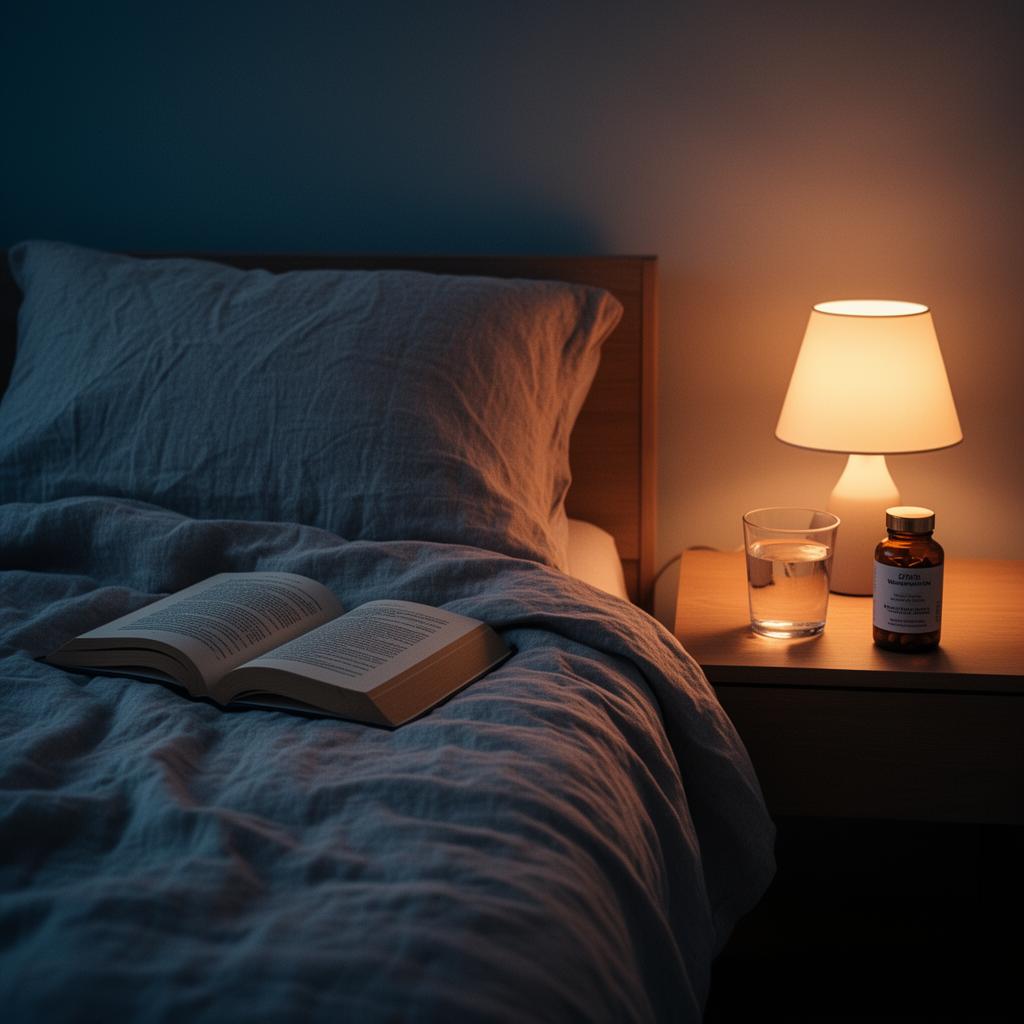
Sleep is not passive. It's an active biological process that requires specific conditions to work properly. Just like you wouldn't walk into a gym without warming up, you shouldn't expect quality sleep without proper preparation.
This routine is designed to systematically activate your body's sleep mechanisms over a 90-minute wind-down window. Each step is backed by peer-reviewed research.
The 90-Minute Sleep Recovery Protocol
T-90 Minutes: Cut Blue Light
Blue light (450–495nm wavelength) suppresses melatonin production by up to 50%, according to Harvard Medical School research. At 90 minutes before bed:
- Switch all screens to night mode or use blue-light blocking glasses
- Dim overhead lights to 50% or less
- Use warm-toned (2700K or below) lighting
T-60 Minutes: Take Your Sleep Supplements
This is the optimal window for supplement absorption before sleep onset:
- Magnesium glycinate (300mg) — activates GABA receptors and initiates nervous system calming
- Ashwagandha KSM-66 (300mg) — blunts evening cortisol spike
- Inositol — enhances serotonin signaling for melatonin conversion
Take with a small amount of food (a few nuts or half a banana) to improve absorption.
T-45 Minutes: Temperature Manipulation
Your core body temperature needs to drop by 1–2°F to initiate sleep. A warm shower or bath causes vasodilation — blood rushes to your skin surface, releasing heat and cooling your core.
Research published in Sleep Medicine Reviews found that a warm bath 1–2 hours before bed reduced sleep onset latency by an average of 10 minutes.
T-30 Minutes: Brain Dump / Worry Download
Racing thoughts are the #1 reported barrier to sleep onset. A Baylor University study found that writing a to-do list for the next day reduced sleep onset latency by 9 minutes compared to journaling about completed tasks.
Spend 5 minutes writing down:
- Tomorrow's top 3 priorities
- Any unresolved worries (externalize them from your mind to paper)
- One thing you're grateful for (activates parasympathetic nervous system)
T-15 Minutes: Breathing Protocol
The 4-7-8 breathing technique (developed by Dr. Andrew Weil) activates the vagus nerve and shifts your nervous system from sympathetic (fight-or-flight) to parasympathetic (rest-and-digest):
- Inhale through nose for 4 seconds
- Hold for 7 seconds
- Exhale through mouth for 8 seconds
- Repeat 4 cycles
T-0: Sleep Environment Optimization
- Temperature: 65–68°F (18–20°C) — the ideal range for melatonin release
- Darkness: Complete blackout (even small light sources suppress melatonin)
- Sound: White noise or silence — avoid variable audio
- Position: Side sleeping promotes glymphatic drainage (brain waste clearance)
The Mineral Foundation
This entire protocol works better when your mineral status is optimized. An estimated 50–80% of adults are deficient in magnesium, which undermines GABA signaling, melatonin production, and muscle relaxation simultaneously.
If you're not sure about your mineral status, Aquamin magnesium provides 72+ trace minerals from marine sources, covering potential deficiencies you might not even know you have.
Tracking Your Progress
After implementing this routine for one week, you should notice:
- Faster sleep onset (under 15 minutes)
- Fewer nighttime awakenings
- More vivid dreams (a sign of deeper REM sleep)
- Feeling refreshed upon waking without an alarm
The Bottom Line
Sleep quality is a skill, not a gift. By systematically preparing your body and brain for rest — and supporting the biochemistry with the right supplements — you can transform your sleep from a nightly struggle into a powerful recovery tool.
Want a personalized supplement recommendation for your specific sleep issues? Take the Cortisol Profile Quiz — it takes less than 60 seconds.
Related reading: