Puraiva / Blog / Wellness Routines
How Much Water Do You Really Need? The Hydration Routine That Boosted My Skin and Energy in 30 Days
The '8 glasses a day' rule is wrong. So is plain water for most people. Here's the science of real hydration, the routine that compounds, and the mineral stack that makes water actually work.
By Dr. James Rivera · · 12 min read
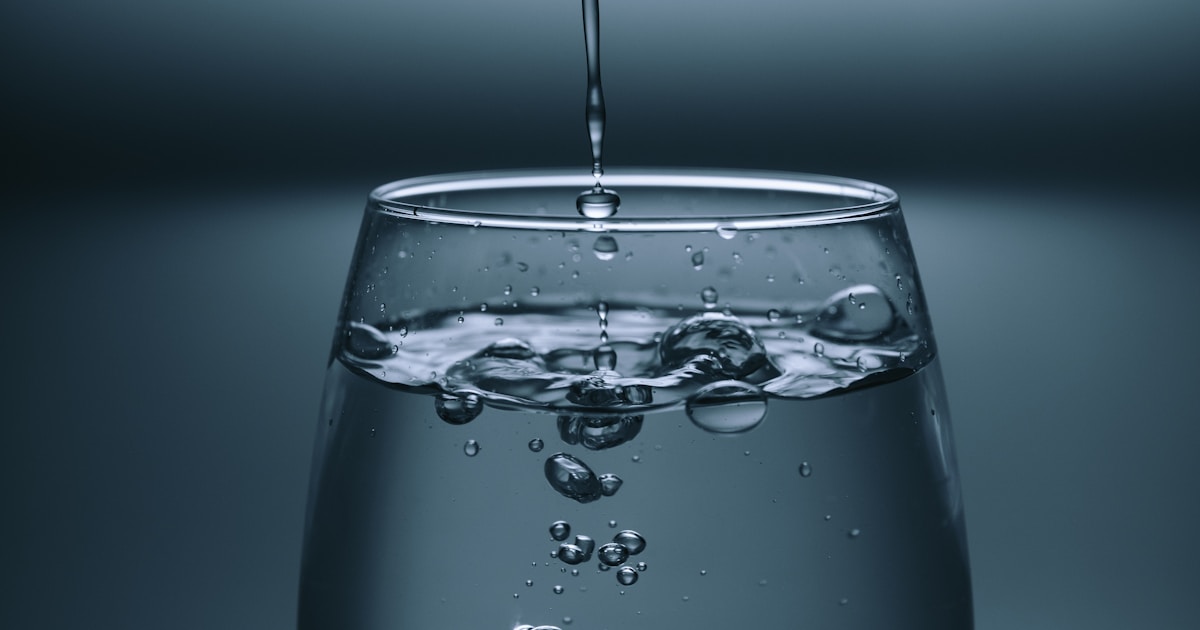
Most people are chronically under-hydrated and don't know it. Not the dramatic "passing out at the gym" kind — the low-grade, daily kind that shows up as afternoon fatigue, dull skin, sluggish digestion, headaches, brain fog, and that 3PM crash you've blamed on coffee. And here's the harder truth: simply "drinking more water" usually doesn't fix it. Without minerals, you're flushing out as much as you're absorbing.
Real hydration is a routine, not a number. Done correctly for 30 days, it changes how your skin looks in the mirror, how your brain works after lunch, and how deeply you sleep at night.
Why the "8 Glasses a Day" Rule Is Wrong
The 8x8 rule has no scientific origin. It was suggested in a 1945 publication and got passed around for 80 years without anyone checking. Actual hydration needs vary 3x or more between individuals based on body weight, activity, climate, diet, caffeine intake, and sweat rate.
A more honest rule of thumb: half your body weight in pounds, in ounces of fluid, per day. A 160lb adult needs roughly 80oz baseline. Add 16–24oz per hour of exercise. Add 8–12oz for every cup of coffee or alcoholic drink.
But here's the bigger issue: even the right amount of water doesn't equal hydration. Hydration is about water getting into your cells. That requires minerals.
Why Plain Water Often Makes Things Worse
When you drink large amounts of plain water without electrolytes, you dilute your blood sodium and other minerals. Your body's response is to dump fluid through urine to restore mineral balance. Net result: you peed out more than you absorbed. You're hydrated less, not more.
This is why people who "drink so much water but still feel tired" usually aren't fixing anything. They're just flushing.
The Four Pillars of Real Hydration
1. Water Quantity
Half body weight in ounces, minimum. Track for a week and you'll likely find you're under by 30–50%.
2. Electrolytes (Sodium, Potassium, Magnesium)
These are the minerals that pull water into cells. Sodium gets demonized; for most active, non-hypertensive adults, more is needed, not less. Potassium and magnesium are almost universally deficient.
3. Timing
Front-loading water before noon prevents the late-evening pee-every-90-minutes problem that wrecks sleep. Stopping fluids 2 hours before bed protects deep sleep.
4. Skin-Specific Inputs
Hydrated skin requires more than water. It needs fatty acids (omega-3s for the lipid barrier), collagen support (vitamin C, silica from sea moss), and antioxidant protection.
The Daily Hydration Routine
6:30 AM — The Mineral Glass
Before coffee. 16oz room-temperature water, pinch of sea salt (or a quarter teaspoon for active people), squeeze of lemon. This rehydrates the 8-hour overnight fast, restores sodium and trace minerals, and supports the cortisol awakening response.
7:30 AM — Coffee, Then Chase
For every cup of coffee, drink 8oz of water within 30 minutes. Caffeine is a mild diuretic; chasing keeps you net positive.
10:00 AM — 16oz, With Minerals
Either an electrolyte sachet or another pinch of sea salt. This is the window most people miss and the reason their 3PM crash is actually dehydration.
12:30 PM — Pre-Lunch 12oz
Drinking water 30 minutes before eating (not during) improves digestion. Drinking large amounts during meals dilutes stomach acid and impairs nutrient absorption.
3:00 PM — The Anti-Crash Glass
16oz with minerals. If you reach for caffeine here, you're treating dehydration with a diuretic.
5:30 PM — Last Big Drink
12–16oz. After this, taper.
7:30 PM — Final 6–8oz
Small. Enough to support overnight without forcing 2AM bathroom trips.
Total: roughly 80–100oz, well-distributed, with minerals at three points. Most people who do this for two weeks report they no longer feel thirsty in the afternoon — because they've moved out of chronic dehydration for the first time in years.
The Supplement Stack That Makes Water Actually Work
Sea Moss (morning)
Sea moss is one of the most mineral-dense foods on the planet — 92 of the 102 minerals the body uses. It supports skin elasticity through silica, thyroid function through iodine, and gut lining through carrageenan-free natural mucilage. See our sea moss benefits guide.
Magnesium Glycinate (evening)
Magnesium is required for sodium-potassium pump function — the literal mechanism that moves water into cells. Without it, electrolytes can't do their job. Glycinate form also supports evening downshift and sleep.
Krill Oil or High-EPA Fish Oil (morning, with food)
Skin hydration starts with the lipid barrier. Omega-3s rebuild it. Within 4–6 weeks, transepidermal water loss measurably decreases.
Ceylon Cinnamon (with first meal)
Stabilizes blood sugar, which reduces the inflammatory load that makes skin look dull and puffy. Ceylon, not Cassia.
What Changes in 30 Days
Days 1–7: Energy
The 3PM crash softens or disappears entirely. You'll be peeing more (frequency, not volume per trip) for the first 4–5 days as the body recalibrates.
Days 8–14: Sleep + Bowel Regularity
Magnesium + hydration normalizes bowel function within 2 weeks for most people. Sleep onset improves; middle-of-the-night wake-ups (often caused by under-hydration triggering cortisol) reduce.
Days 15–21: Skin
This is the classic "people start asking what you're doing differently" window. The lipid barrier has rebuilt from omega-3s, the mineral matrix from sea moss, and chronic puffiness has dropped. Eyes look clearer; under-eye darkness softens.
Days 22–30: Cognitive Clarity
Brain is 75% water. Sustained hydration with minerals at this level changes how lunch-to-dinner feels — mental stamina that previously required caffeine no longer does.
The Mistakes That Cancel the Routine
- Chugging plain water without minerals. Net dehydrating.
- Drinking with meals, not between them. Dilutes digestion.
- Front-loading after 6PM. Wrecks sleep architecture.
- Replacing water with sports drinks. Most are 30g+ of sugar; mineral content is mediocre.
- Avoiding salt. Unless medically told otherwise, sodium is part of the solution, not the problem.
- Treating coffee as water. It's not. It's a fluid, but with a diuretic offset.
Who Needs This Routine Most
- Afternoon energy crashes (especially after lunch)
- Dull, dry, or "puffy" skin
- Chronic mild headaches
- Constipation or sluggish digestion
- "Brain fog" without an obvious cause
- Athletes and sauna users
- People in low-humidity climates or who travel often
- Anyone over 40 — thirst sensation declines with age, so chronic dehydration is the default
The Bottom Line
Hydration isn't a number to hit — it's a system to run. Quantity, minerals, timing, and skin-specific inputs working together. Plain water is a piece of the puzzle, not the puzzle. Done as a daily routine with the right supplement stack, 30 days is enough to change how your skin looks, how your brain works in the afternoon, and how deeply you sleep at night.
It's the most underrated wellness intervention there is — partly because it sounds too simple, and partly because the version most people try (chug water, hope for the best) doesn't actually work.
The Hydration Stack
- Sea Moss — morning, for trace minerals and skin support
- Magnesium Glycinate — evening, for cellular hydration and sleep
- Krill Oil — morning with food, for skin lipid barrier and anti-inflammatory support
- Ceylon Cinnamon — with first meal, for blood sugar stability
Related reading:
- Sea Moss: The Mineral-Dense Superfood
- Collagen vs. Sea Moss for Skin
- Natural Energy Without Caffeine
- Signs You're Magnesium Deficient
These statements have not been evaluated by the Food and Drug Administration. This product is not intended to diagnose, treat, cure, or prevent any disease. Consult your healthcare provider before beginning any new supplement protocol, especially if you have kidney issues, blood pressure concerns, or take prescription medications.